

Hi UK players https://minesgames.eu/. Have you ever wondered what’s really going on when you tap those squares in Mines Game? We’re revealing the truth. This isn’t just about luck. It’s a world of probability, and we’re going to explain the core maths. You can transform guesswork into a defined strategy for your next session.
Playing Mines Safely in the UK
Mines Game is a form of entertainment. Understanding the maths deepens your understanding and improves your selections. Always gamble within your budget. Utilize tools like deposit limits, which are accessible at UK-licensed platforms. Let the numbers guide your fun. The best strategy is the one that ensures the game entertaining. Engage for the thrill of the puzzle, not just the potential payout.
How Odds Move Through Every Reveal
Chance never stays the same. Following a safe first click, the grid alters. Currently, 21 safe spots and 3 mines are left out of 24 squares. Your next click has an 87.5% chance of safety. This small drop persists with every risk-free reveal. Developing a feel for this flow is how you control risk. The odds update instantly, creating a new mathematical puzzle with every move.
Anticipated Return: The Extended View
Expected Value (EV) demonstrates your mean outcomes in the long run. It mixes all possible outcomes, their values, and their probabilities. A lone spin is erratic, but EV offers a strategic framework. As an illustration, a stable tactic employing low mine numbers and early payouts may produce a more dependable positive EV. This concept is the foundation of clever, math-based gaming.
What Exactly Is the Mines Game?
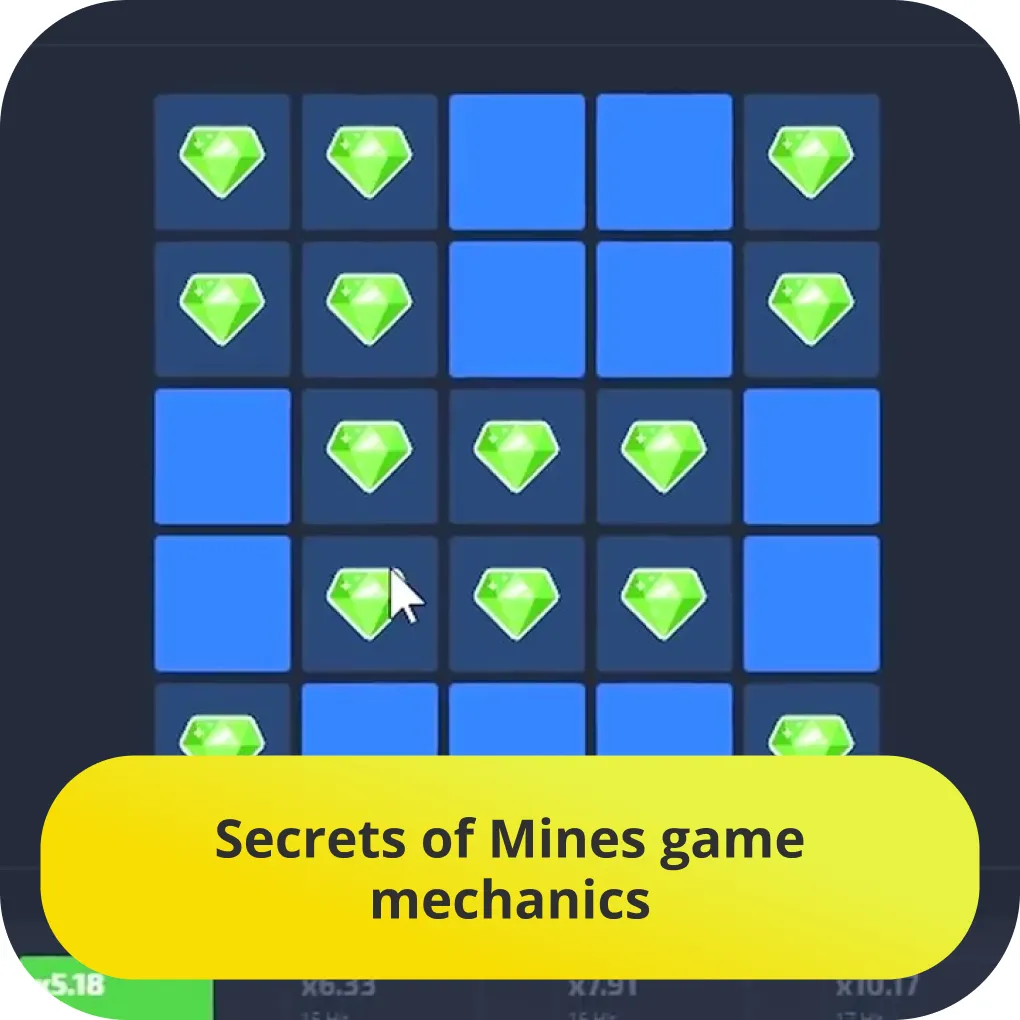
Mines is a game of risk and nerve. You encounter a grid, usually 5×5, hiding several explosive mines. Your goal is to reveal safe squares and dodge the mines. Each safe click displays a cash prize multiplier. The real tension arises from choosing when to cash out before your luck runs out. It’s a genuine test of risk, admired for its simple, tense gameplay.
The Core Probability: Your First Click
Begin with the safest possible bet. On a 5×5 grid with 3 mines, 22 squares are safe. Your first click has a 22/25 likelihood of being safe. That’s an 88% likelihood. This high initial security lets the game commence smoothly. It’s a inherent advantage, a solid foundation. Many probability-based games utilize this favourable start to draw players in.
Assessing Risk vs. Reward
The game’s genius is in its balance. More mines mean higher potential multipliers, but your odds of survival fall. Choosing 3 mines rather than 5 completely changes the probability landscape. You must weigh the alluring reward against the statistical chance of achieving it. This calculation lies at the heart of every decision. The growing multiplier is meant to tempt you as the safety rate drops.
Strategic Tips Based on Maths
Let probability guide you. Commence with lower mine counts to understand the odds. Set a cash-out target before you play. Never chase losses by thinking the ‘next one must be safe’. Remember, the house edge is always there. Managing your bankroll well is just as crucial as understanding the grid. View each session as a series of independent events, not a connected story.
The Withdrawal Problem: A Statistical Look
When do you bank your winnings? It represents a timeless chance dilemma. Every fresh click presents a larger reward but threatens total loss. The optimal point varies by person. Yet the calculations reveal that going after very large multipliers often decreases your expected return. Wise players understand their boundary. Setting a profit target before you play is a disciplined, mathematically sound habit.
Popular Misconceptions and False Beliefs Exploded
A lot of people subscribe to “due” hits or patterns. This is the gambler’s fallacy. Each click is an independent event. Past reveals don’t influence future ones. The grid is fixed at the start. Holding the opposite view leads to costly mistakes. Rely on the cold, hard maths, not superstition. The random number generator has no memory and no sense of fairness.
Grasping the Board and Layout
You need to understand the layout before figuring out odds. A typical 5×5 grid has 25 overall squares. Before you click, the game randomly places a fixed number of mines. You’ll often see 3, 5, or more mines. This initial setup is everything. It shapes the complete probability landscape for your session. Every choice you make comes from this secret layout.